


 New York
- 교육
New York
- 교육
Jazz Fusion: A Genre Without Limits


Jad Zraiqat 학생기자 페어몬트 아카데미 10학년
Jazz fusion is a genre that originated in the US as an experimental blend between jazz and rock. Even since the inception of jazz fusion, an artist known as Alan Holdsworth who was born in the UK contributed heavily to the jazz fusion scene, with his work being described as revolutionary due to his intricate soundscapes. Another group thousands of miles away from Alan Holdsworth originated in Japan, and became one of the most influential bands in the Japanese jazz fusion scene; this band was called Casiopea. Casiopea took heavy influence from western funk and rock, however also incorporated chord progressions that were synonymous with Japanese music of the time, with the minor four being a sound the band falls back on frequently.
With these bands being older pioneers of the genre, contemporary artists from wildly different regions also show the genre‘s incredibly diverse range. An afro cuban musician that goes by the name “Yussef Dayes” creates music that could only be described as ethereal dreamlike, not to mention, his expert drumming being the signature sound of his music. Another prominent musician in the contemporary jazz fusion scene is the Lebanese solo artist “Seraphine Noir.” Seraphine Noir started their career with typical jazz fusion soundscapes, incorporating saxophones and electronic instruments such as synthesizers and sampled drums, however recently has begun to innovate and collaborate more with widely different artists. This can be seen with their newest album “Avalon” featuring highlights tracks such as “Liminality” which incorporate ethnic instruments from the regions of east asia. Seraphine Noir’s individuality and creativity also start to blossom when one looks at their incorporation of traditional electronic music into their jazz fusion tracks. Standout examples include “Carmine” with prominent instances of sample chopping and other forms of sound manipulation to incorporate a unique spin on the genre of jazz fusion.
With these three artists having wildly different backgrounds and contributing to jazz fusion in their unique ways, it is clear that this genre fosters immense cultural expression and individuality. With artists from all around the globe, it‘s almost impossible for each artist to be expected to fit within one specific set of guidelines for their music. This is why it’s such an expressive genre; the genre limits know no bounds and allow artists from all around the globe to contribute to the potluck of sound that is jazz fusion.
<Jad Zraiqat 학생기자 페어몬트 아카데미 10학년>
로컬뉴스
more
뉴욕한인상의, 한국 부민병원과‘건강검진 연계’ 추진
대뉴욕지구한인상공회의소(KACCGNY·회장 문조)가 한국의 의료기관과 손잡고 뉴욕 일원 한인 상공인들을 위한 건강검진 연계 프로그램을 추진한다…
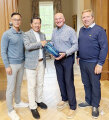
솔로몬보험그룹, 서클오브챔피언십상 4년 연속 수상
솔로몬보험그룹(회장 하용화)은 14일 자사의 계열사인 홀세일 보험전문 ‘인터내셔널 언더라이팅 에이전시INC’(IUA)가 USLI 그룹이 선정한…
더나눔하우스, 셸터 거주자 한국 귀국 도와
더나눔하우스(대표 박성원 목사)는 지난 29일 셸터 거주자인 황명학(사진 가운데)씨에게 영구 한국 귀국을 돕기 위해 항공권을 제공했다. 더나눔…
김민선 관장, 천안상공회의소에 카운티장 감사패 전… 1
김민선 미주한인이민사박물관장은 12일 충남 천안시를 방문하여 천안상공회의소 문상인 회장과 이사들에게 낫소카운티의 브르스 블래이크맨 카운티장의 …
사진작가 박준 ‘미주 한인여성 사업가의 초상’ 전
사진작가 박준의 전시회 ‘미주 한인 여성 사업가의 초상’이 오는 30~31일 맨하탄 코스모스 갤러리에서 열린다. 이번 전시는 박씨가 지난 2년…
한국일보 안내광고
- 렌트/리스/하숙
- 구인구직
- 중고차
- 전문업체
- *152가 상가2층 아담한2Br.
- 147-01 41 Ave. 1 Fl.
- 플러싱 바운스트릿 아파트
- *35/149 1Br.코압인터뷰있음$2,000
- MANHATTAN CHEALSEA STUDIO
- 노던 Blvd.167-17
- *노던 156가 샤핑몰내 *
- *베이사이드 노던선상*
- *스페이스 렌트*

- 플러싱에서 가까운 네일가게
- 브롱스 야채가게에서
- 커네티컷 스탠포드 지역 세탁소에서
- 치과 기공소 매매
- *Royal Realty Co 직원모집*
- 기술자, 중간기술자 구함.
- *델리 & 베이글 가게*
- *퀸즈 세탁소에서*
- 롱아일랜드 세탁소에서

- 1
 인도, 美와 외교장관 회담에서 트럼프 정부 …
 - 2
 정용진, 26일 스타벅스 논란 직접 대국민 …
 - 3
 삼전 잠정합의안 노조 투표 넷째날…투표율 8…
 - 4
 이란 “美와 상당부분 합의 도달…서명 임박한…
 - 5
 조현, 크로아티아 외교장관과 회담…방산·에너…
 - 6
 스타 성우도 놀랐다! 임영웅, ‘세계 1위’…
 - 7
 中, 日재군사화에 ‘급발진’… “시진핑, 트…
 - 8
 ‘175cm·63kg’ 이영지, 2년째 키·…
 - 9
 ‘법기술자 무풍지대’ 무너져야…고문·조작 검…
 - 10
 “99년식 시빅 타다가 테슬라 산듯”…캐나다…
- 11
 아이린, 180cm 훈남 남편♥ 기습 공개.…
 - 12
 美국무 “좋은 합의 아니면 다른 방식 대응……
 - 13
 “4년 전엔 코로나19로.. “ 방탄소년단,…
 - 14
 홈플러스, 마트 매각으로 회생 돌파구…부도·…
 - 15
![[사이테크+]](http://image.koreatimes.com//article/2026/05/24/202605241915486a5.jpg) [사이테크+] “갈라파고스 제도 심해서 골프…
[사이테크+] “갈라파고스 제도 심해서 골프… - 16
 “백악관 인근 21세 총격범, ‘예수… 1
 - 17
 ‘슈팅 7개→0골’ 손흥민 또 무득점, 무려…
 - 18
 홍명보호 포상금 역대 최대 규모…32강 1억…
 - 19
 박근혜, 대구 이어 충청까지…정치 행… 1
 - 20
 ‘경쟁 사실상 끝났다’ 윤곽 드러난 홍명보호…
- 21
 “오바마 핵합의와 다를게 뭔가” 트럼… 1
 - 22
 [특파원 시선] LA의 21달러짜리 … 1
 - 23
 미국·이란 종전합의 기대감에 국제유가 5%대…
 - 24
 김건희, 뒤늦게 ‘바쉐론 시계값’ 잔금 2천…
 - 25
 네타냐후 “이란 핵위협 반드시 제거해야”…강…
 - 26
 李대통령 ‘정치적 고향’ 성남…민주 ‘탈환’…
 - 27
 ‘반말 논란’ 서인영 사과 받은 브아걸 가인…
 - 28
 신기욱 스탠퍼드대 교수 “정점에 오른 한국,…
 - 29
 이재현 회장, 美 ‘더CJ컵’ 방문… “K라…
 - 30
 매연 어쩌나…250주년 건국일 예년 50배 …








오피니언

메모리얼 연휴, 의미 기억하며 안전하게
-
다시 한번,“대~한민국!”
 홍병문 서울경제 논설위원
[만화경] ‘금리 발작’ 흑역사
- 정재왈 서울시립교향악단 대표
[로터리] 음악이 깃든 곳에 악은 없다
- 이영태 한국일보 논설위원
[지평선] 스타벅스의 만행
- 허경옥 수필가
[윌셔에서] 넉넉한 하루
 정숙희 논설위원
‘파리의 심판’ 50주년
 파리드 자카리아
 중국 향한 트럼프의 실용주의
- 김동찬 시민참여센터 대표
[미국은 지금] 우리의 정체성·문화가 미국을 더 발전시킨다
1/3
지사별 뉴스

“은행고객 이민신분 확인하라”
도널드 트럼프 대통령이 비시민권자 의 금융 시스템 접근을 제한하는 내용의 행정명령에 서명하면서 반이민정책 강화 기조를 금융권까지 확대하고 있다…
´연방법원 체포금지령´ 하루만에 묵살

그레이트 폴스 주택가 171만불
그레이트 폴스가 ‘버지니아에서 집값이 가장 비싼 도시(Cities with the most expensive homes in Virginia)…
에볼라 감염 우려 여행객, 덜레스 공항으로만 입국 가능

이란전쟁 80여일 만에 출구 찾나…호르무즈가 막판 암초될 수도
지난 2월28일 이란에 대한 미국과 이스라엘의 대대적인 군사 공격으로 시작된 중동 전쟁이 발발 80여일 만에 출구를 찾을 가능성이 커지는 분위…
[알립니다] “희망의 씨앗을 심습니다”























 | ||
|



- 로그인
- 회원가입
Koreatimes.com 서비스는 Ktown1st.com과 통합계정입니다. 계정이 없으신 분은 회원가입을 해 주세요.
.png)



댓글 안에 당신의 성숙함도 담아 주세요.
'오늘의 한마디'는 기사에 대하여 자신의 생각을 말하고 남의 생각을 들으며 서로 다양한 의견을 나누는 공간입니다. 그러나 간혹 불건전한 내용을 올리시는 분들이 계셔서 건전한 인터넷문화 정착을 위해 아래와 같은 운영원칙을 적용합니다.
자체 모니터링을 통해 아래에 해당하는 내용이 포함된 댓글이 발견되면 예고없이 삭제 조치를 하겠습니다.
불건전한 댓글을 올리거나, 이름에 비속어 및 상대방의 불쾌감을 주는 단어를 사용, 유명인 또는 특정 일반인을 사칭하는 경우 이용에 대한 차단 제재를 받을 수 있습니다. 차단될 경우, 일주일간 댓글을 달수 없게 됩니다.
명예훼손, 개인정보 유출, 욕설 등 법률에 위반되는 댓글은 관계 법령에 의거 민형사상 처벌을 받을 수 있으니 이용에 주의를 부탁드립니다.
Close
x