


 New York
- 교육
New York
- 교육
The Chemistry Behind Teflon: PFAS, PFOA, and PTFE


Lauren Sun 학생기자 라모나 코브넌트 스쿨 11학년
The characteristics of Teflon are sourced directly from the structure of PTFE polymers, where each unit consists of a carbon backbone with two fluorine atoms attached to each carbon. These carbon-fluorine bonds are among the strongest in chemistry and require an immense amount of energy to break. Because of this, the fluorine atoms essentially shield the carbon chain and prevent chemical reactions from occurring, making PTFE extremely resistant to heat, acids, and bases. Additionally, the long polymer chain creates a smooth and slippery texture that allows for the non-stick feature of Teflon-coated surfaces, such as pans and pots. In other words, Teflon‘s behavior at a molecular level is a direct result of the tightly bonded, fluorinated polymer chain.
The process of producing PTFE is not as simple as mixing carbon and fluorine. Teflon is made from the monomer tetrafluoroethylene (TFE), a gas at room temperature that polymerizes to form PTFE. Chemists relied on PFOA to stabilize the highly explosive reaction and to effectively link these gas molecules into long polymer chains. PFOA acts as a surfactant, allowing the gaseous TFE monomers to stay suspended in water and connect to form solid chains. Without PFOA, the monomers would react inconsistently, preventing the formation of the polymer chains that give Teflon its unique properties.




While Teflon has been widely praised for its usefulness, scientists and environmental researchers have also raised concerns about the chemicals involved in its production, particularly PFOA and other PFAS compounds. PFAS substances are often called “forever chemicals” because their strong carbon-fluorine bonds make them extremely resistant to breaking down in nature. As a result, they can accumulate in soil, water, wildlife, and even the human body over time. Studies have linked high exposure to certain PFAS chemicals with potential health risks, including immune system effects and developmental problems. Because of these concerns, many manufacturers have begun phasing out PFOA and developing alternative methods to produce PTFE with reduced environmental impact. Advances in chemical engineering now allow companies to manufacture non-stick coatings using newer processing aids that are considered safer and less persistent. These efforts highlight the ongoing challenge of balancing technological innovation with environmental responsibility in modern industrial chemistry.
In summary, Teflon demonstrates the relationship between molecular chemistry and technological innovation. The carbon-fluorine bonds of PTFE create a polymer that is resistant, slippery, and nonreactive, while PFOA and other PFAS molecules facilitate its production.
<Lauren Sun 학생기자 라모나 코브넌트 스쿨 11학년>
로컬뉴스
more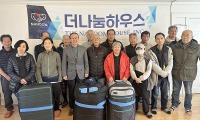
더나눔하우스, 영구 귀국 박기하, 노숙자씨에 항공권 제공
더나눔하우스(대표 박성원 목사)는 지난 29일 셸터 거주자인 박기하, 노숙자씨에게 영구 한국 귀국을 돕기 위해 항공권을 제공했다. 더나눔하우스…
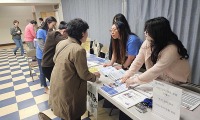
민권센터, 사회봉사서비스 홍보
민권센터는 지난 3일 뉴욕효신장로교회(담임목사 김광선)를 방문해 민권센터가 제공 중인 사회봉사서비스를 교인들에게 알리는 시간을 가졌다. 이날 …
뉴욕한국문화원-이노비, 2026 봄 콘서트
뉴욕한국문화원과 문화복지비영리단체 이노비가 공동주최한 ‘2026 봄 콘서트’(KCCNY X EnoB Spring Concert) 행사가 지난 …
해켄색 병원 뉴저지한인상록회에 후원금 3000달러
뉴저지 해켄색 병원이 뉴저지한인상록회에 3,000달러를 후원했다. 지난 2일 열린 상록회 효행상 시상식에서 해켄색 병원의 재키 이(오른쪽) 매…
제24회 미동북부 어린이동요대회 노은서 양 대상
뉴욕한국학교(교장 김경희)가 주최한 제24회 미동북부 어린이동요대회가 지난 2일 뉴욕한국학교 강당에서 성황리에 열렸다. 재미한국학교 동북부협의…
한국일보 안내광고
- 렌트/리스/하숙
- 구인구직
- 중고차
- 전문업체
- *Bell Blvd. 39Ave.지하
- 노던 Blvd.167-17
- *노던 1층*
- *스페이스 렌트*
- *베이사이드 노던선상*
- *노던 156가 샤핑몰내 *
- *후레시메도우 독채 2019년 벽돌집*
- *162가 아파트*
- *노던/파슨스 대형1Br.$2250

- 맨하탄 세탁소에서
- *앰뷸렛 차량 기사분 모집*
- *가까운 커네티컷 35분*
- *델리 & 베이글 가게*
- 브루클린 지역 세탁소에서
- *드랍스토어를*
- *맨하탄 E. 드랍샵*
- *플러싱 지역*
- *뉴저지 시니어 센터에서*

- 1
 병든 남편 주려고 단팥빵 5개 훔친 할머니에…
 - 2
 美대학 졸업식도 ‘정치 전쟁터’로…연설 취소…
 - 3
 트럼프 기대에도 이란 무응답…시간끄는 이란·…
 - 4
 오늘부터 다주택자 양도세 중과…최고세율 82…
 - 5
 “타 사업부도 성과급 달라”…삼성전자 노조간…
 - 6
 트루스소셜 모회사 트럼프미디어, 비트코인 투…
 - 7
 OECD 에너지물가 상승률 한달새 8.6%p…
 - 8
 “해수면 붙어 떼지어 출동” 美군함 괴롭히는…
 - 9
 ‘대중교통 불모지’ LA 지하철 일부연장…예…
 - 10
 트럼프 기대에도 이란 무응답…시간끄는 이란·…
- 11
 美, 멕시코 영사관 전수 조사…신경전 속 폐…
 - 12
 공감 능력 상실 박제.. ‘무염 육아’는 잘…
 - 13
 개전 3일전 호르무즈 진입…첫 운항부터 불운…
 - 14
 미, 중·러 거부권 우려에 안보리 ‘호르무즈…
 - 15
 커지는 대서양 동맹 균열… ‘새 유럽 방위 …
 - 16
 ‘前매니저 갑질 논란’ 박나래, 5월中 추가…
 - 17
 ‘67년 만의 우승 도전’ 한국 축구, 아시…
 - 18
 홍명보호 진짜 희소식! “통증 없다” 이재성…
 - 19
 프랑스 이어 영국도 군함 중동으로…호르무즈 …
 - 20
 ‘이토록 안정적이었나’ 송성문, 3타수 무안…
- 21
 북한군, 모스크바 붉은광장서 행진…러 전승절…
 - 22
 2주택자, 송파 상아(10년 보유 70㎡) …
 - 23
 母대표 ‘1인 기획사’ 대박..블핑 제니, …
 - 24
 ‘손흥민 마지막 메이저대회 유력’ 아시안컵 …
 - 25
 미군 “대이란 해상봉쇄로 상선 58척 회항·…
 - 26
 임영웅, 페라리 타고 모교 깜짝 방문.. ‘…
 - 27
 트럼프 심기 건드린 독일 총리…EU 무역 협…
 - 28
 美국무부, 대만 국방예산 삭감에 우려… 1
 - 29
 호르무즈 충돌 속 ‘종전합의’ 공 다시 이란…
 - 30
 헝가리 머저르 총리 취임… ‘유럽의 트럼프’…









오피니언

한인사회, 정신건강에 관심 가져야
-
되풀이돼서는 안 될 총격살인 비극
 김홍일 케이유니콘인베스트먼트 대표
 [기고] 김용범 정책실장의 금융 담론에 공감하며
- 정재왈 서울시립교향악단 대표
[로터리] 마에스트로와 극장경영
- 성민희 수필 평론, 소설가
[윌셔에서] 마네와 모네처럼
- 양홍주 한국일보 논설위원
[지평선] UFO 관련 자료 공개 임박
 정숙희 논설위원
‘브루탈리스트’ 라크마 2 : 전시
- 김동찬 시민참여센터 대표
[미국은 지금] 일방적 미국의 외교정책 결과들
- 민병권 서울경제 논설위원
[만화경] 틈새 휴가족
1/3
지사별 뉴스

뉴욕주‘역대 최대 2,680억달러 규모’예산안 타결
뉴욕주의 ‘2027 회계연도 예산안’ 협상이 사실상 타결됐다. 캐시 호쿨 뉴욕주지사는 7일 기자회견을 갖고 주의회 지도부와 역대 최대 규모인 …
트럼프, 불체자 대규모 추방 재가동

‘서울대로(Seoul Blvd)’표지판 애난데일 존 마 드라이브에 설치
버지니아의 한인상가 밀집지역인 애난데일에 한글명 ‘서울’이 새겨진 ‘HONORARY SEOUL BLVD 서울(서울대로)’ 도로 표지판이 지난 …
“불법체류자들에 관대” …연방 법무부, 페어팩스 카운티 검찰청 조사 착수

트럼프 기대에도 이란 무응답…시간끄는 이란·압박 이어가는 美
미국과 이란이 두 달 넘게 이어진 전쟁을 끝내기 위해 종전 협상을 이어가고 있지만 9일 현재까지 뚜렷한 돌파구를 찾지 못하는 모습이다.도널드 …
아태평양 유산의 달 행사





















 | ||
|



- 로그인
- 회원가입
Koreatimes.com 서비스는 Ktown1st.com과 통합계정입니다. 계정이 없으신 분은 회원가입을 해 주세요.
.png)



댓글 안에 당신의 성숙함도 담아 주세요.
'오늘의 한마디'는 기사에 대하여 자신의 생각을 말하고 남의 생각을 들으며 서로 다양한 의견을 나누는 공간입니다. 그러나 간혹 불건전한 내용을 올리시는 분들이 계셔서 건전한 인터넷문화 정착을 위해 아래와 같은 운영원칙을 적용합니다.
자체 모니터링을 통해 아래에 해당하는 내용이 포함된 댓글이 발견되면 예고없이 삭제 조치를 하겠습니다.
불건전한 댓글을 올리거나, 이름에 비속어 및 상대방의 불쾌감을 주는 단어를 사용, 유명인 또는 특정 일반인을 사칭하는 경우 이용에 대한 차단 제재를 받을 수 있습니다. 차단될 경우, 일주일간 댓글을 달수 없게 됩니다.
명예훼손, 개인정보 유출, 욕설 등 법률에 위반되는 댓글은 관계 법령에 의거 민형사상 처벌을 받을 수 있으니 이용에 주의를 부탁드립니다.
Close
x